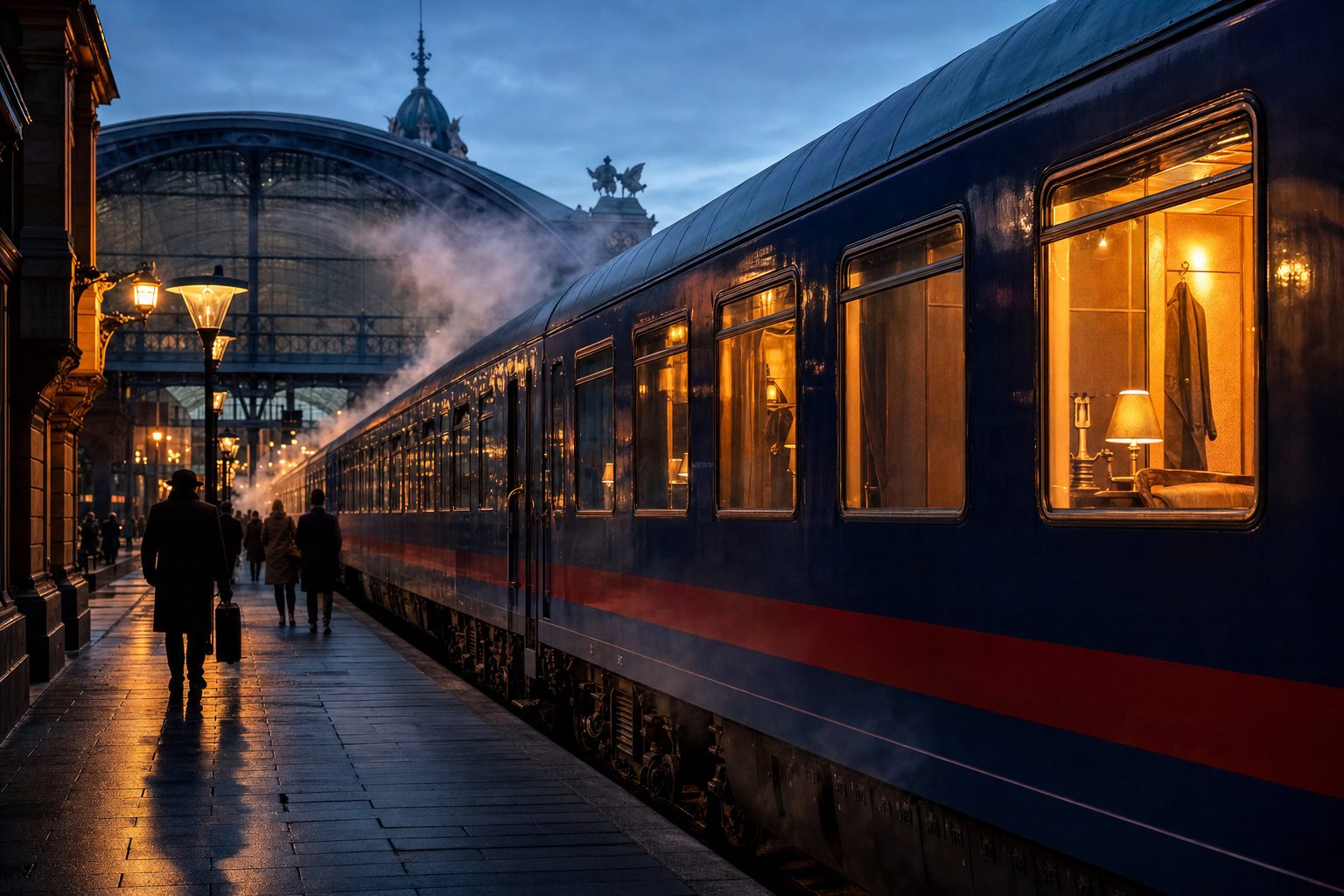
A friend recently showed me the itinerary for her week in Europe with the pride of someone presenting a personal best. Five countries. Eleven trains and a flight. A different bed almost every night. It was, objectively, an impressive feat of logistics, and when I asked what she remembered most vividly, she paused for a long time and then said, honestly, "the stations." She had seen a great deal of Europe and experienced almost none of it. She had, without quite meaning to, turned her holiday into a commute.
I tell this story not to mock — I have done exactly the same thing — but because it captures a trap that cheap flights and frictionless booking have quietly set for all of us. When moving has become so easy and so cheap, the temptation is to keep moving, to treat a trip as a list of places to collect rather than a place to inhabit. This essay is an argument against that instinct. Not a romantic one about "living like a local," but a practical case that slowing down delivers more of what we actually want from travel, and frequently costs less money while doing it.
What we lose in the rush
The problem with the four-cities-in-a-week trip is not that it's tiring, though it is. It's that the most valuable parts of travel only appear with time, and the sprint systematically skips them. The first day in any new place is spent in a fog of logistics — finding the hotel, working out the transport, getting oriented, recovering from the journey. You are barely present. It is on the second and third days, once the basics are handled, that a place begins to open: you start to recognise streets, to have a regular café, to notice the rhythm of the neighbourhood, to fall into the unplanned conversations and detours that become the memories you keep.
Move on after a single night and you pay the logistics tax over and over while never collecting the dividend. You spend your whole trip on day one, repeatedly. You see the cathedral and the famous square — the things that look the same in everyone's photos — and miss entirely the texture that would have made the place yours. The sprint optimises for the checklist and sacrifices the thing the checklist was supposed to stand in for.
"Speed is the enemy of intimacy in travel. You cannot become even briefly familiar with a place you are leaving tomorrow."
The surprising economics
Here is the part that converts people who don't care about the philosophy: slow travel is often cheaper. The costs that quietly dominate a fast trip are the costs of movement itself — the flights and trains between places, the constant churn of one or two-night accommodation bookings at their least economical, the restaurant meals eaten because you don't yet know where anything is or how to shop. Strip out the movement and those costs collapse.
Stay a week in one place and a different economy takes over. Accommodation by the week or longer is dramatically cheaper per night than a string of short stays. You start cooking some meals because you've found the market. You use a transit pass instead of paying per ride. You stop paying the premium that every tourist pays in their first disoriented hours. The single biggest line item — getting from A to B to C to D — shrinks toward zero, because you're no longer constantly going from A to B to C to D.
The slow-travel arithmetic
Two weeks, two bases, beats two weeks, eight bases — almost every time, on cost. You cut intercity transport, unlock weekly accommodation rates, eat more like a resident than a tourist, and waste far less of the trip in transit. The money you don't spend moving is money you can spend staying longer, or simply keep.
What you gain
The positive case is harder to put in a spreadsheet but it's the real point. When you give a place time, it gives you things the rushing traveller never receives. You get competence — the small, deep satisfaction of knowing how a place works, of ordering confidently, of taking a shortcut you discovered yourself. You get the second visit to the same restaurant, where the welcome is warmer because they recognise you. You get the unplanned day with nothing booked, which is so often the day you end up describing for years afterwards.
Above all you get rest, which is, let's be honest, what most of us actually need from time off and almost never get from a trip we've over-scheduled. There is a particular kind of exhaustion that comes from holidays spent racing to extract maximum value from every hour, and it sends people home needing a holiday from their holiday. Slow travel solves this by design. A week in one town, with built-in empty afternoons, restores you in a way that an itinerary resembling a military operation never can.
How to actually do it
Slow travel is less a technique than a set of small choices that compound. A few that work:
- Halve your list. Whatever your instinct says you can fit in, take out half. You will see less and experience more.
- Pick bases, not stops. Choose one or two places to stay properly and day-trip from, rather than sleeping somewhere new every night.
- Stay a week somewhere, once. Even on a multi-stop trip, anchor it with at least one full week in a single place. It changes the whole texture.
- Leave empty days. Schedule nothing for at least one day in three. The unplanned time is where the trip actually happens.
- Go back to things. The second visit to a café, a park, a market is often better than the first. Repetition is not failure; it's familiarity.
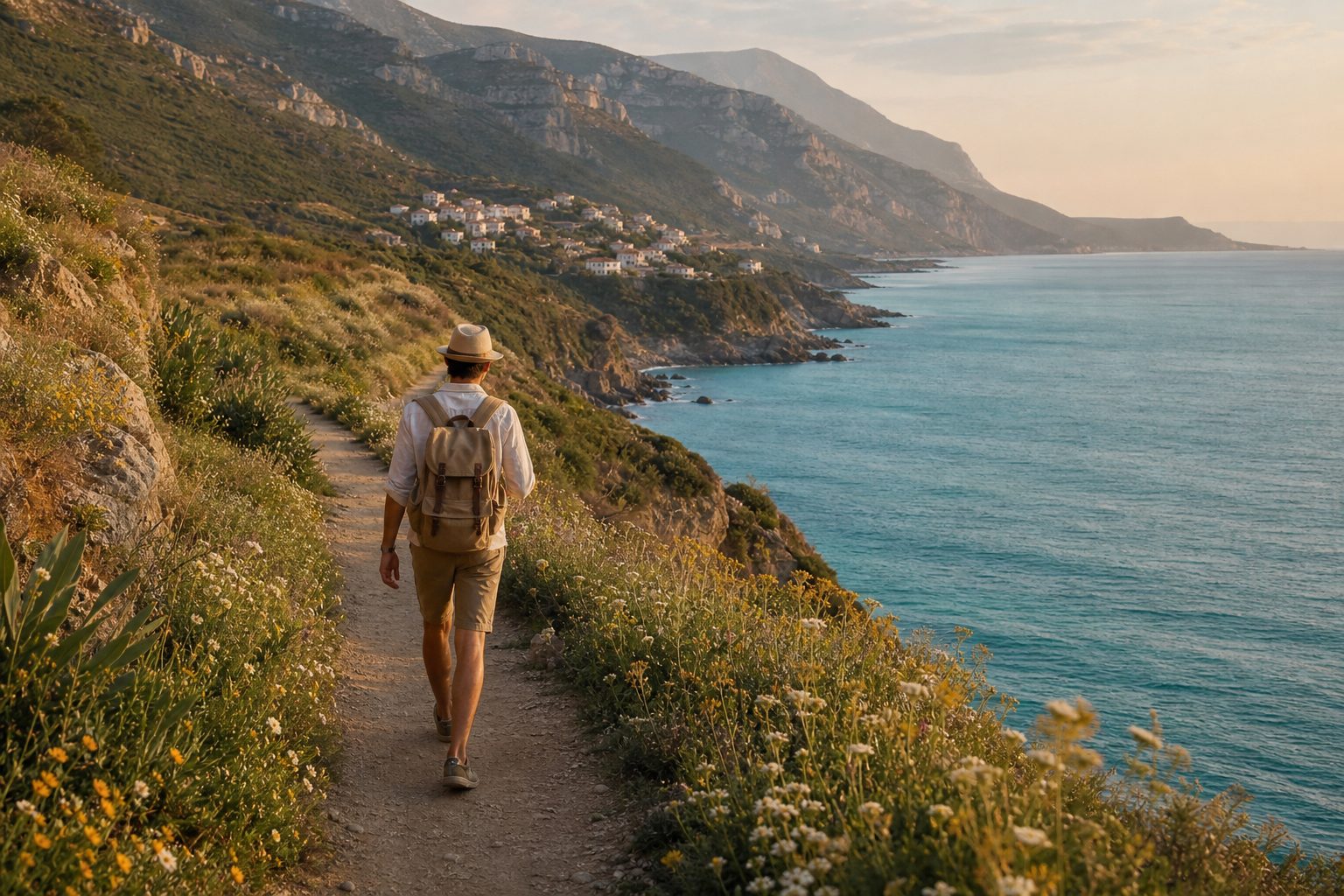
- Walk more than you think you should. The fastest way to start knowing a place is on foot, without a destination.
The honest caveats
Slow travel is not a moral commandment, and there are perfectly good reasons to move fast sometimes. If you have one short window to see a region you may never return to, a sampler trip can be exactly right — better to glimpse five places than none. First-timers often genuinely don't know which place they'll love until they've tasted a few. And some trips are about a specific event or a long-held single sight, where lingering isn't the point. The argument here isn't that speed is always wrong. It's that speed has become the unexamined default, and that for most people, on most trips, the slow version would be more rewarding, more restful and cheaper — they just never consider it.
So consider it. The next time you find yourself building an itinerary that reads like a logistics puzzle, stop and ask what you're actually optimising for. If the honest answer is "the number of places I can say I've been," that's worth noticing. The places will still be there. What's scarce isn't the destinations; it's your time and attention, and slow travel is simply the decision to spend both on depth instead of distance. The traveller who stays a week and knows one town comes home with more than the one who saw four and remembers the stations.
One place, properly
Find a good fare to a single base you'd happily stay a week — compare 700+ airlines and agencies in one search.
Open the fare finder ✈